



Voyage to Antarctica
My husband and I have travelled a lot since we got together in 2005. We don’t do beach holidays and have enjoyed far flung adventures such as climbing Conan Doyle’s legendary Mount Roraima tepui in Venezuela, swimming to the Devil’s Pool at the edge of Victoria Falls and trekking the Salkantay route across the Andes to Machu Picchu. Approaching our more senior years, we decided we had better get to Antarctica while we still could. It is undoubtedly the most remote and challenging environment but among the most beautiful.
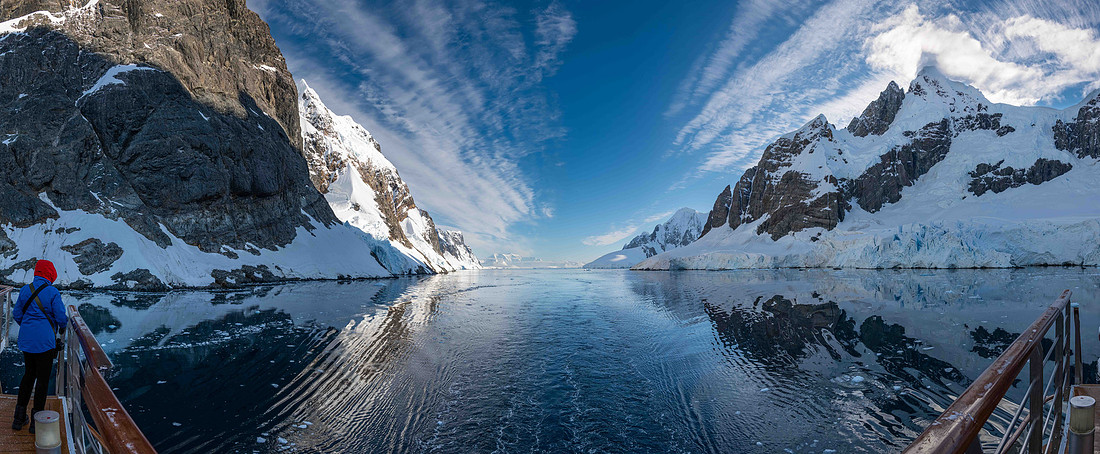
Sailing through the Lemaire Channel (stitched panorama)
It was also, at its peak, one of the most tiring trips, but that may simply be because I turned 70 years old while we were there. We were generally out for the count by 9.30pm, although we did get up for the sunrise at 4.00/4.30am a couple of days. A sunrise, two (on one day three) outings, briefings & lectures, backing up photos and recharging batteries, eating huge amounts of food, sunsets and no time left for anything else!
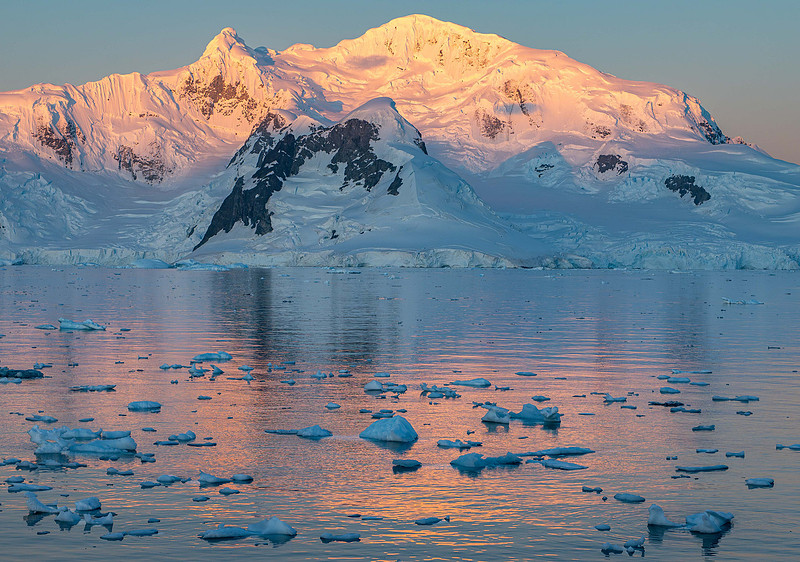
Sunset at Neko Harbour
We enjoyed lovely sunny weather with little or no wind for the first few days, treating us to amazing reflections of mountains and icebergs in the water. However, some of the best photography conditions come with moody cloudy skies and we certainly had those, as well as snow.
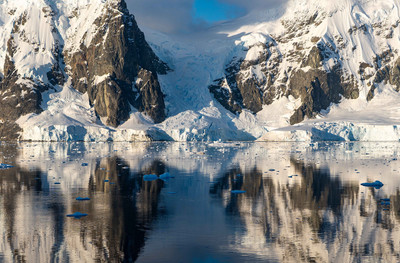
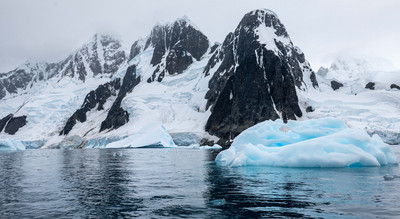
Sunshine and....... Cloud
The weather can change dramatically from hour to hour. The wind can whip up when in the zodiacs so that you need everything on but, shortly after, be completely calm. On several landings we were much too hot and had to remove gloves, hats etc.
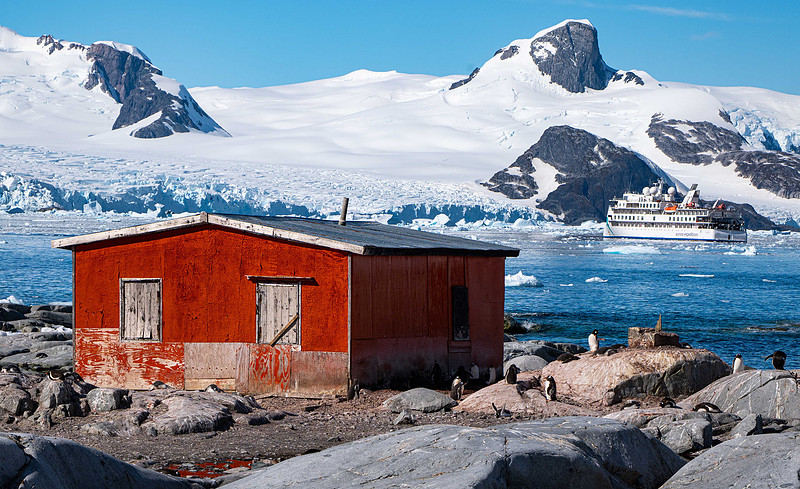
Petermann Island
To preserve the environment, nothing but your feet, a walking pole tip or tripod feet can touch the ground (all dipped in biocide when leaving or returning to the ship), not even a bag. Keeping your distance from wildlife (minimum 5 metres) can be tricky as penguins are very active and can sneak up from behind. Despite their awkwardness on land, they prefer to nest in rookeries in high sites; this is the best 'real estate' as the snow melts there first. But it means a constant traffic of penguins hopping from the hills to the shore to feed for fish and bring back food to regurgitate for their chicks. After a while, you get used to the strong fishy smell of their ubiquitous pink poo which stains the landscape.
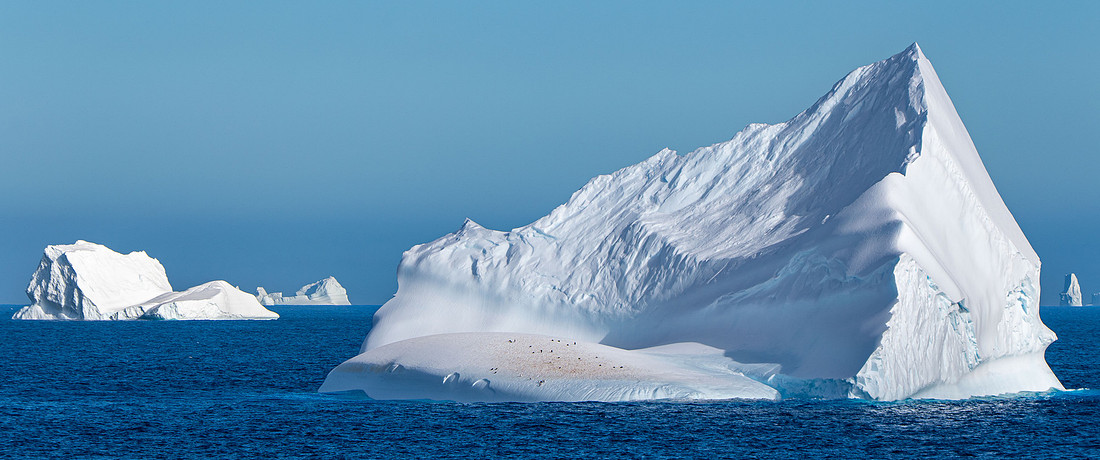
Penguins are mere black dots on huge icebergs but pink poo gives them away
Getting there
Antarctica is obviously not an easy place to get to. The only option is a cruise unless you are going to work at a research station. Most cruises start and end in Ushuaia at the southern tip of Argentina, which means crossing the Drake passage twice (2 days each way). The other is to fly from Punta Arenas at the southern end of Chile to King George Island in the South Shetland islands, landing on a gravel runway and climbing into zodiacs to be transported to the anchored ship. This means changing into muck boots provided and being able to carry your hand luggage and original footwear, while your suitcase is transported separately. Ships generally return to Ushuaia after a cruise along the Antarctic peninsula. You can stay in Ushuaia and explore Tierra del Fuego or fly straight onto Buenos Aires for transfers back to Europe (Amsterdam, Paris or Madrid).
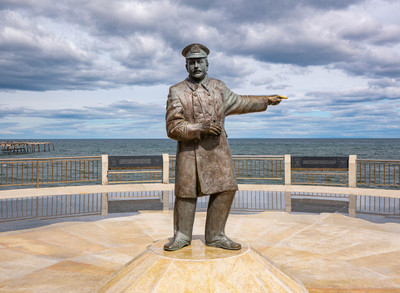
Sir Ernest Shackleton says 'It's that way!" in Punta Arenas
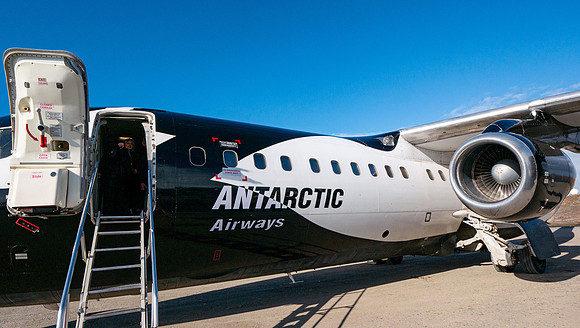
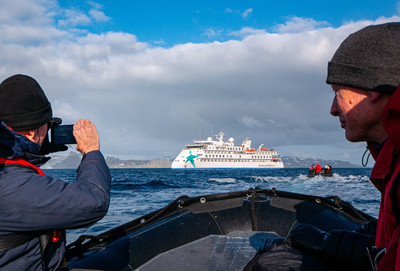
Leaving Chile on Antarctic Airways and transfer by zodiac to Greg Mortimer from King George Island
We chose the latter route because it avoided one trip across the Drake passage and gave us a few more days in Antarctica, flying from Edinburgh to Amsterdam to Santiago (with a short layover in Buenos Aires), and the following morning to Punta Arenas. The airport hotel in Santiago is literally across the road from all terminal buildings, so easily accessible.
The downside to this route is that weather conditions for the flight to King George Island have to be clear and calm, as there are no pilot navigation aids and flights are often cancelled. Luckily ours wasn’t, but there was a delay as they were catching up with cancelled flights from previous days.
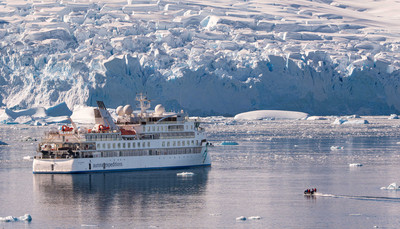
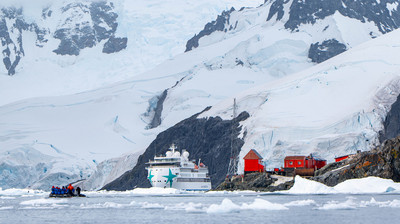
The Greg Mortimer (Aurora Expeditions)
Our ship – the Greg Mortimer operated by Aurora Expeditions – is an Infinity Class ship with a stabilising system and state-of-the-art X-bow design which makes for a smoother ride. We experienced 4-5m waves in the Drake passage, and despite the hi-tech there was very noticeable rocking at times. One day it was difficult to keep the cutlery and glasses from sliding off tables. Many people experienced nausea, a few were disabled by seasickness despite taking medication and some, like us, didn’t take anything and were fine, even enjoying being rocked to sleep by the waves. The ‘Drake Shake’ can be much rougher with waves 10m high or equally it can be a ‘Drake Lake’. In fact, our captain decided to leave Antarctic a day early to outrun a predicted storm which would have meant a seriously rougher trip.
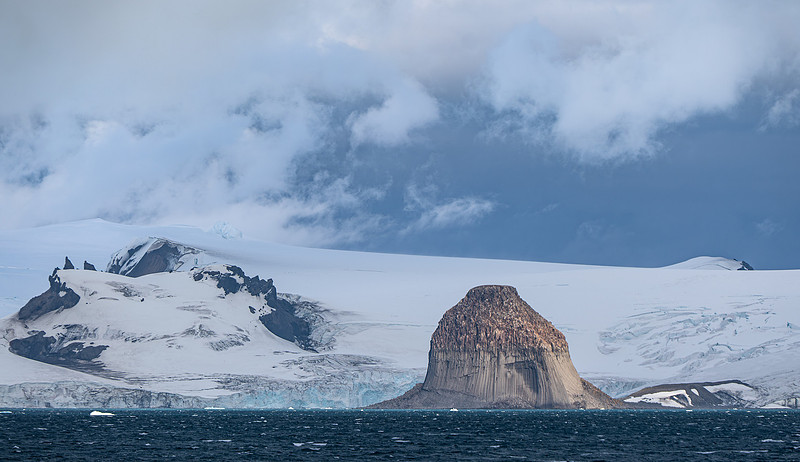
A basalt formation
The trip is exactly what it says on the tin – an expedition – and unlike other cruises, charts an often unpredictable journey. Although cruise lines ‘book’ landing sites a year in advance, weather conditions can change quickly or a channel can be found to be blocked by icebergs, so each day has to be carefully planned the day before by the expedition team in consultation with the captain and can change within a few hours. If you expect a normal cruise, you will be disappointed. If you like an adventure, you’ll have a great time.
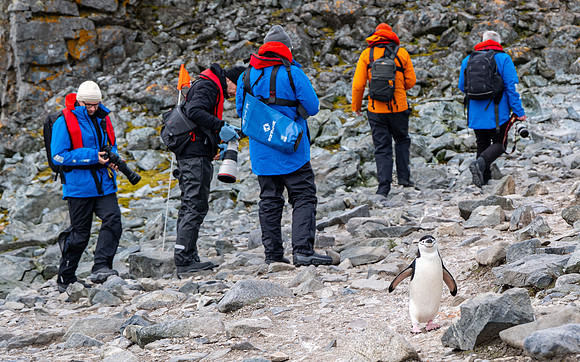
'I think I got past without being seen!'
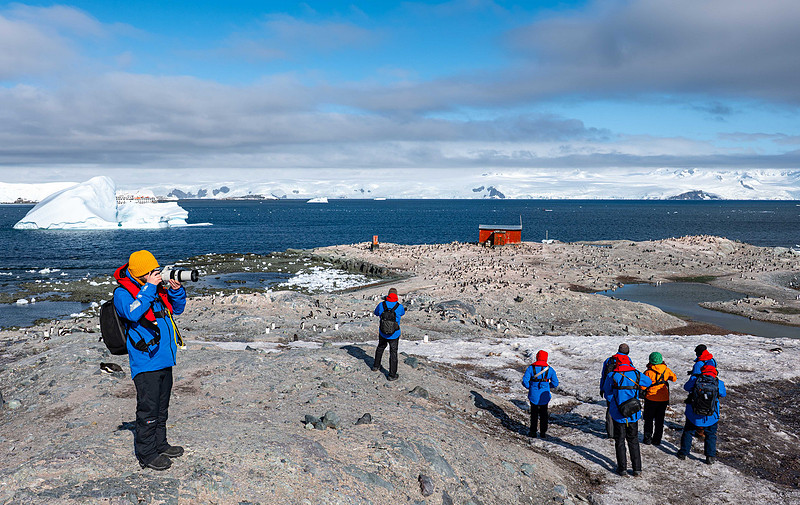
Photographers and Gentoo penguins at Mikkelson Harbour with the ship dwarfed by a ship-shaped iceberg
The cruise I opted for was Aurora’s ‘Through the Lens’, geared especially for photographers with 9 photography leads, who are on hand to give lectures, run daily photo contests and give advice out in the field. Landings and zodiac outings are arranged with this in mind to maximise photographic opportunities. On one occasion, the captain even agreed to a request to move the ship so that it didn’t spoil the view from the landing site! If you are a keen photographer, I’d certainly recommend a specialised cruise like this. This was my first photography-led holiday. Two webinars prior to the trip were arranged to discuss equipment, camera settings, logistics and opportunities and WhatsApp groups helped everyone to keep in touch on the way there and during the trip, especially for alerts from the decks of whale and other sightings. There were 98 passengers including the leads, and undoubtedly more than that in the crew. I should add that my husband is not a photographer and didn’t even take his phone. He told everyone that he had two lenses and a memory card in his head. Not having a camera freed him up to simply enjoy and experience.
What I wore
Sunglasses (I took ski goggles which I would have needed if it had started snowing on the zodiacs)
(Sunscreen applied before leaving)
Rechargeable hand warmers in pockets
Warm hat (no bobble as it obstructs the view for other photographers!)
Neck buff
Inner gloves and ski gloves
Fleece jumper (or polar fleece on colder days)
Polo neck
Thermal roll neck base layer
Two pairs of socks – thin & thick
Merino wool leggings
Ski pants
Provided
Muck boots (thick insulated wellingtons)
Waterproof jacket with an inner down jacket (you keep this)
Life vest (which you must keep on all the time during landings)
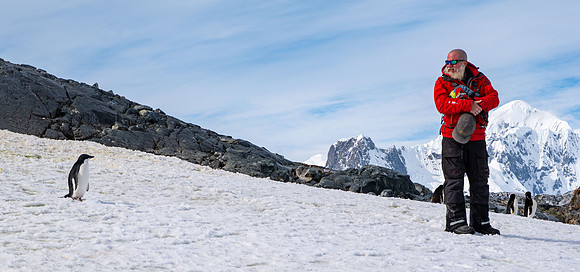
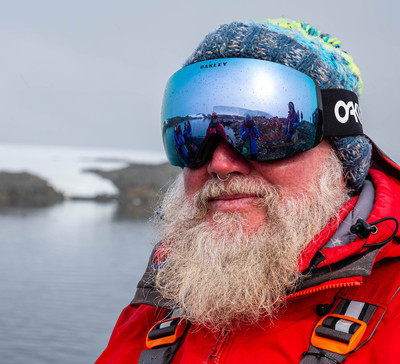
Seasoned Antarctic researcher and expedition team member Dr Leo Soibelzon
Photography Leads on this trip
Nigel Danson is a well-known landscape photographer and YouTuber. He is organising another trip in February 2028 which includes South Georgia.
James Popsys is a British outdoor photographer and Youtuber from Snowdonia, Wales.
Jeroen Van Nieuwenhove is a Belgian photographer living in Iceland with a focus on volcanoes.
Mads Peter Iverson is a fine art landscape photographer in Denmark.
Rachel Bigsby is a wildlife photographer specialising in seabird natural artistry.
Dani Connor lives in Sweden and is a wildlife photographer and videographer with a focus on red squirrels.
Roman Fox is a street photographer……you may wonder why he came to in Antarctica.
Rick Bebbington is a photographer, videographer and YouTuber.
Rhiannon Lawler was a passenger on the last Nigel Danson trip and a photography lead on this one. She photographs landscapes and wildlife.
I am a news photographer, specialising in cultural events. Generally, I photograph people and document events. However I am eclectic and also enjoy landscape and wildlife. I had my work cut out for me to photograph all genres. I returned home with around 5,000 photos. Others reported that they had 40-50,000 photos to wade through. I tried to cull daily to reduce the duds (mostly splashes where a penguin used to be) and avoided burst mode unless absolutely essential. The fast workflow of a news photographer sometimes pays off.
Camera gear I took on outings
Camera cleaning cloth (a Nigel Danson one of course)
Circular polarising filter (when I remembered)
Spare battery kept in pocket with hand warmer
Spare SD card
Two camera bodies with 24-105mm and 70-300mm lenses in dry bags (these are my news workhorses; you need two cameras in Antarctic for the same reason as for news; you don't have time to change lenses and you really don’t want to do that outside)
Going Out on Landings and Zodiacs
It takes about 15 minutes to put everything on - once you’ve done it a few times you develop a routine. You go down to the Mud Room when your side of the ship is called (alternates between port and starboard) where your life vest and muck boots are in a locker assigned to your cabin; walking poles are available if needed. You then queue to get into zodiacs and are counted out with a barcode card in your jacket sleeve (and counted back when you return), step into biocide dip to ensure lack of transmission of anything from site to site, hand your bag to the AB (able bodied seaman), grab the Expedition Team driver’s arm in a sailor’s grip and step down to the zodiac, sliding up or down the edge as asked.
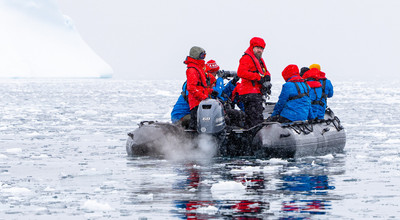
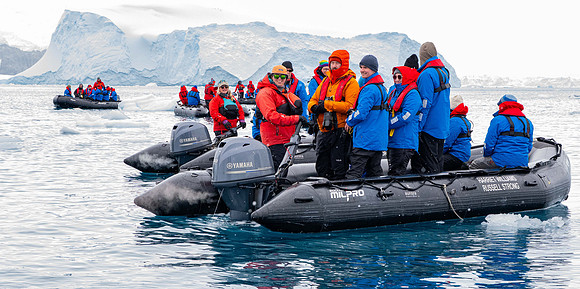
Jeroen Van Nieuwenhove and Nigel Danson scouting for wildlife
This is a slick operation which gets everyone out promptly. The outing is either a landing or a zodiac cruise around the shore or iceberg field, or both. Each depends on the weather which can change rapidly; it is not uncommon for outings to be cancelled due to swell or changed because there is too much wildlife at the landing site. Landings vary but usually involve scrambling onto rocks in the water; there are always expedition team staff to help. Generally, we were out for up to 3 hours.
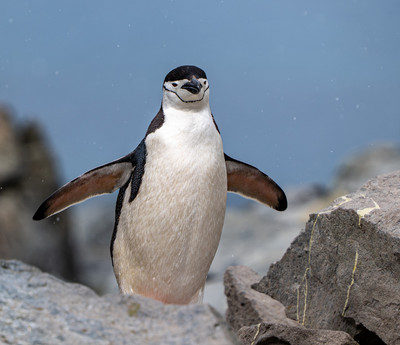
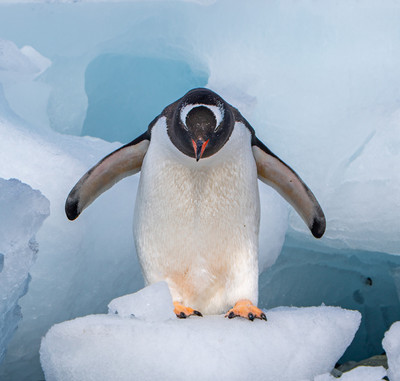
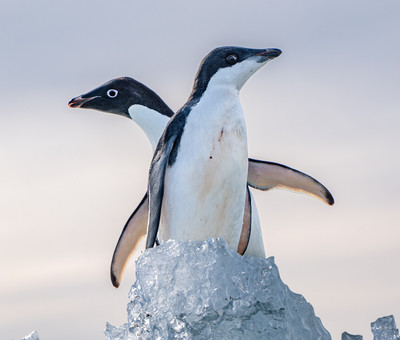
A Chinstrap penguin A Gentoo penguin Adelie penguins
The photographic opportunities are broadly wildlife and landscape. Penguins on land, penguins porpoising in the water, seals on ice floes or on land, humpback whales breaching or fluking, orcas if you're lucky and dolphins and albatrosses in the Beagle Channel. And lots of skuas, shags and Antarctic terns. Or panoramas of mountains, glaciers, icebergs and water, colourful huts and research stations and ice textures and shapes.
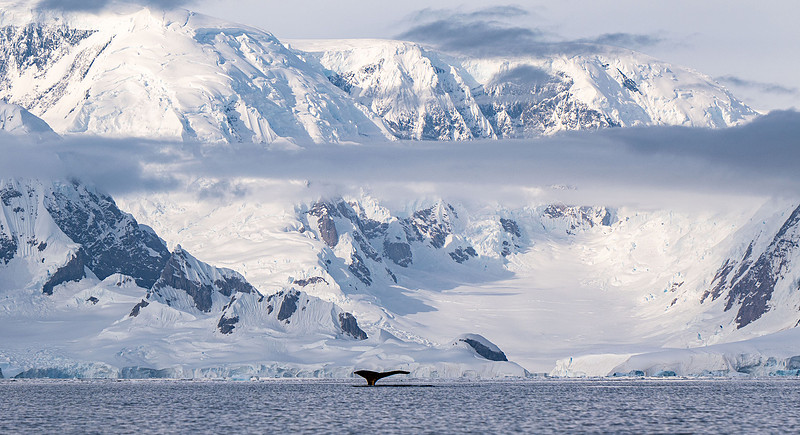
A humpback whale fluking
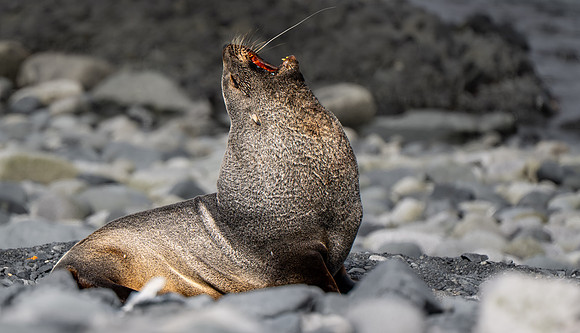
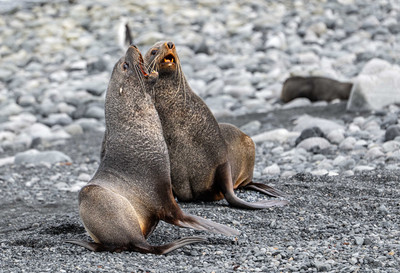
Fur seals on Half Moon Island
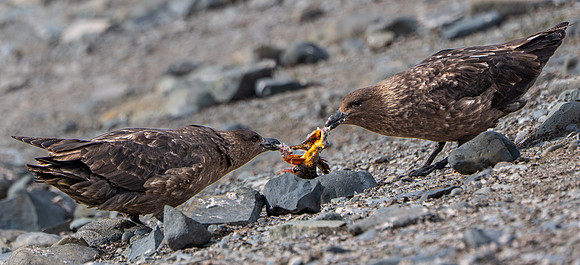
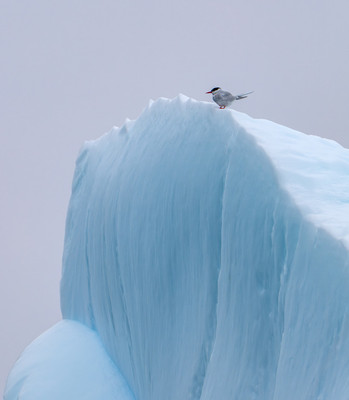
Skuas fighting and an Antarctic tern on an iceberg
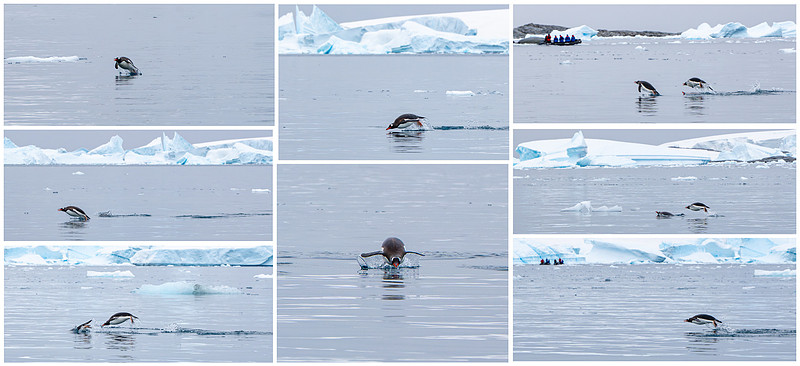
My attempts to capture Gentoo penguins porpoising - difficult as they are so fast!
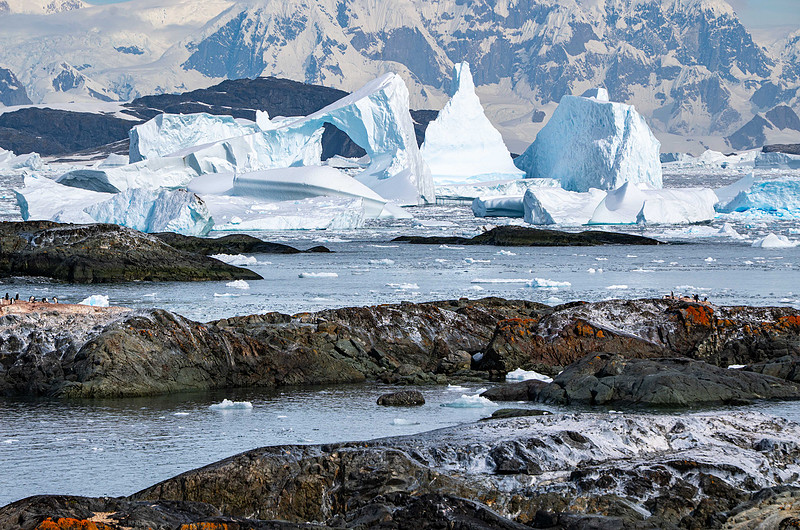
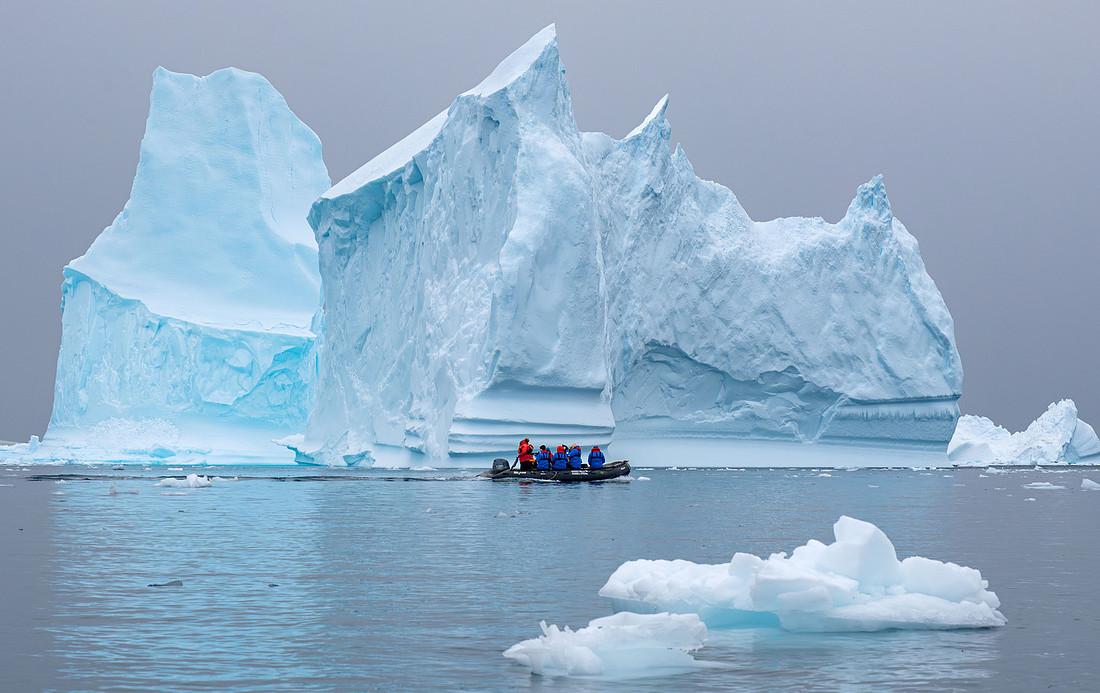
Icebergs ........
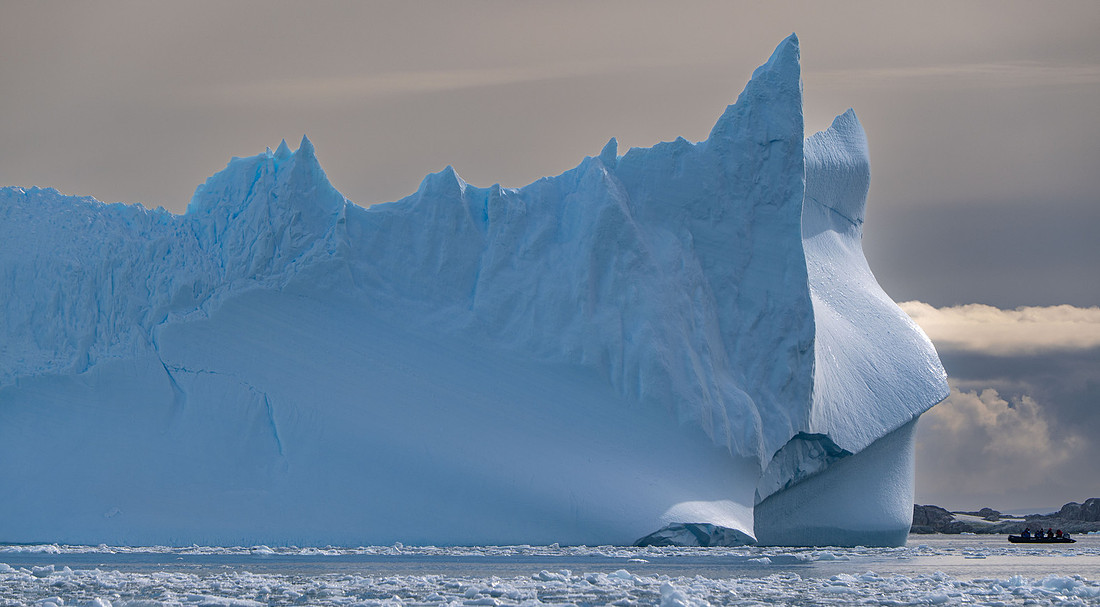
......whose scale can only be seen next to a zodiac
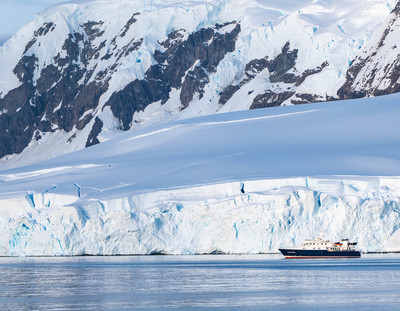
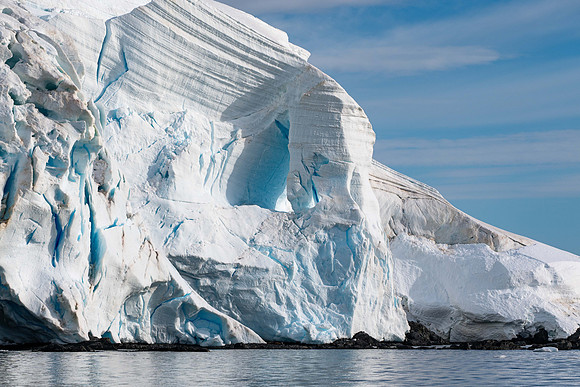
Glaciers.....
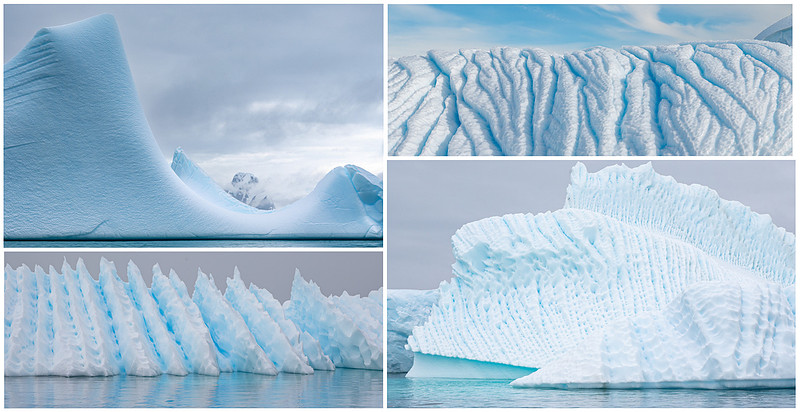
..and ice everywhere
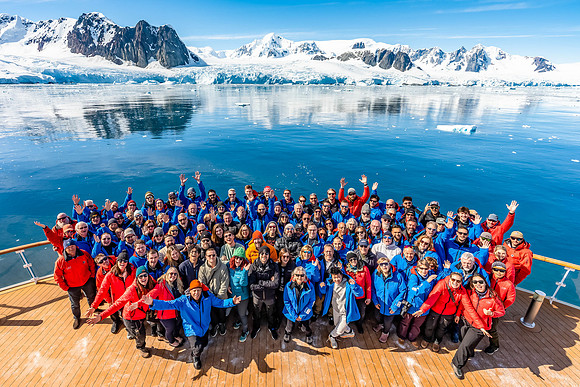
We are in there somewhere ©️Jarryd Salem
Part II continues with the story or our journey to islands and the continent itself, seeing research stations, remains of the whaling history with whalebones and shipwrecks and close encounters with wildlife.
All photos in this blog (with the exception of the one above) are copyrighted by the author and may not be used without license or permission
Comments
But i’m a photographer and it will probably take a long time before I don’t wanna tell anybody about this great trip. Thanks for a great blog. ❤️